How to Spot Wood Rot Early Around Roof Edges and Trim
Home / Blog
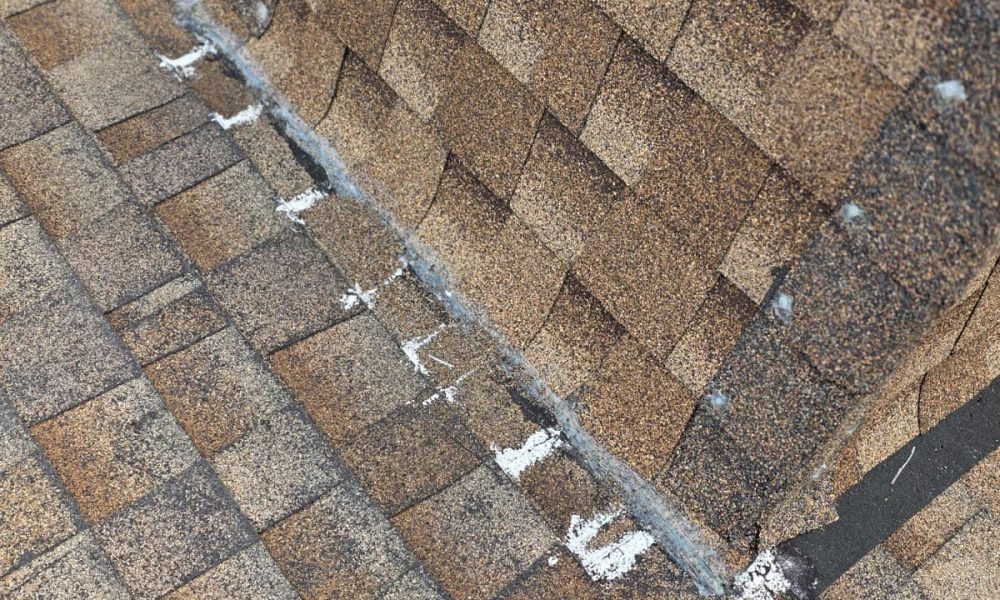
How to Spot Wood Rot Early Around Roof Edges and Trim
Wood rot around roof edges and trim is one of those problems that can stay hidden until it becomes expensive. The good news is that rot usually leaves clues early, and most homeowners can catch those warning signs with a quick, consistent inspection routine.
By spotting rot sooner, you can protect the roof structure, prevent water intrusion, and avoid larger repairs to fascia, soffits, and exterior framing.
Common Early Signs of Wood Rot Around Roof Edges and Trim
These indicators often show up before the wood is severely damaged.
1. Soft or Spongy Wood When Pressed
If the trim feels soft when you press it lightly, moisture has likely been soaking in over time.
2. Peeling Paint That Keeps Coming Back
Paint that bubbles, flakes, or peels repeatedly in the same area can mean moisture is trapped in the wood, not just a paint issue.
3. Dark Stains or Discoloration Along the Edge
Brown streaks, black spotting, or uneven dark patches near the roofline can point to persistent water exposure.
4. Cracked Caulk or Open Seams at Joints
Rot often begins where boards meet. Gaps at corners, joints, or along trim lines let water enter and stay there.
Conditions That Usually Cause Rot in Fascia, Soffits, and Trim
Understanding the cause helps you prevent the same damage from returning after a repair.
1. Clogged Gutters and Overflow
When gutters back up, water spills behind them and soaks the fascia board along the roof edge.
2. Drip Edge or Flashing Problems
If metal edges are missing, bent, or installed poorly, water can travel under shingles and into the wood underneath.
3. Poor Drainage at Downspouts
Downspouts that dump water against the home can splash the lower trim, corners, and siding joints.
4. Ice and Freeze Thaw Cycles
Water gets into small cracks, freezes, expands, and opens the wood fibers even more over time.
5. Lack of Ventilation in Soffit Areas
Trapped moisture under the eaves can keep trim damp longer, especially during humid seasons.
Quick Inspection Checklist: Where to Look First
Use these checks to narrow down your inspection and spot issues early.
Are gutters pulling away or leaking at seams near corners?
This is a common spot where fascia rot begins.Do you see water stains under the gutter line or at the ends of fascia boards?
Ends and corners often fail first because they dry slower.Is caulk cracking around roof to wall intersections or trim joints?
Open seams are a direct path for moisture.Do soffit panels look stained, sagging, or uneven?
That can indicate moisture trapped above or behind the soffit.Do you feel soft spots with a gentle press using a screwdriver handle?
Do not poke through the wood, just test firmness lightly.
Benefits of Catching Wood Rot Early
Early detection keeps repairs smaller and helps protect the rest of the home.
Prevents moisture from reaching roof decking and rafters
Reduces the risk of mold and mildew in attic areas
Protects gutters from loosening and pulling away
Helps avoid larger trim and siding replacement sections
Keeps pests from nesting in weakened wood
Maintains curb appeal and property value
Final Thoughts
Wood rot does not usually appear overnight, but once it starts, it spreads faster than most homeowners expect. Regularly checking roof edges, fascia boards, soffits, and trim joints can help you catch the first signs before the damage grows into a larger structural repair.
Need help identifying rot or repairing damaged fascia and trim before it spreads? Contact DGM Construction LLC
📞 (732) 231-5321
🌐 www.dgmconstructionllc.com
📍 Serving Neptune NJ and Surrounding Areas
Financing is available for all services
Ready to get started? Let’s talk about your roofing, renovation, or construction project today.
Need more Help?
Whether you need a quick roof repair, a full renovation, or emergency construction assistance, our team is ready to help. Contact us today for a free, no-obligation estimate.
From roofing and siding to gutters, we offer licensed, insured, and reliable construction services for residential and commercial properties.