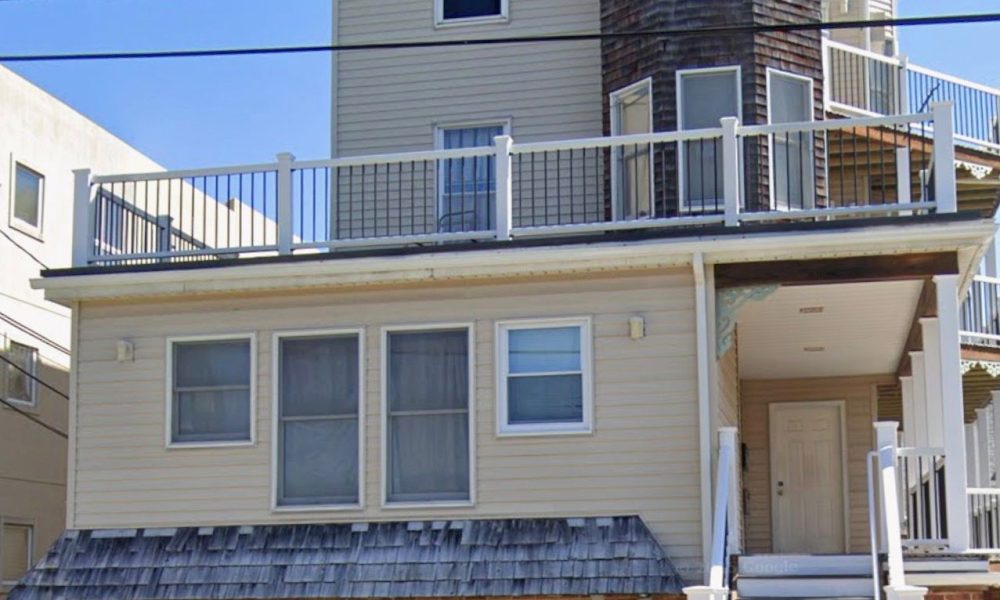
Deck attachments are a common place for hidden water problems, and siding is often the first material to show damage. When a deck ledger, fasteners, or trim details are not sealed and flashed correctly, rainwater can slip behind the siding and get trapped against the wall. Over time, that moisture can cause staining, warped panels, soft trim, rot in sheathing, and even structural issues around the deck connection.
The good news is that you can often spot early warning signs before major damage occurs. A few targeted inspection checks can help you protect both the siding system and the deck attachment area.
Here is a practical guide to what to inspect around deck attachments to prevent siding damage and moisture intrusion.
Common Signs Deck Attachments Are Affecting Your Siding
These are early indicators that water may be entering or getting trapped where the deck meets the home.
Stains or Dark Streaks Above the Deck Line
Discoloration right above the deck board line can mean water is collecting behind the siding.Warped or Buckled Siding Near the Ledger Area
If siding looks wavy or pushed out where the deck connects, moisture or pressure may be building behind the panels.Soft or Swollen Trim Boards Around the Deck Connection
Trim that feels spongy is often a sign of repeated wetting, especially near corners and joints.Peeling Paint or Bubbling Finish on Adjacent Trim
Moisture can cause paint to fail quickly around the deck edge, rail post points, and corner trim.Gaps Where Siding Meets Deck Boards or Flashing
Small separations can let wind driven rain enter and remain trapped in the wall system.Musty Odors or Dampness Inside Near the Deck Wall
If the wall cavity is holding moisture, you may notice odor changes or dampness on the interior side of that exterior wall.
What to Inspect Around Deck Attachments
These checks focus on the most common entry points for water.
Ledger Board Flashing
The ledger board should have proper flashing that directs water outward. If flashing is missing, bent, or not integrated correctly, water can run behind the siding and into the wall.Waterproof Barrier Behind the Siding
A house wrap or water resistant barrier should be continuous behind the siding. Tears, gaps, or incorrect overlaps around the ledger area can allow water to reach the sheathing.Fastener Penetrations and Bolt Points
Deck bolts, lag screws, and brackets create holes through the exterior. If these penetrations are not sealed correctly, they become direct water paths.Siding Clearance Above the Deck Surface
Siding should not sit too low where it can touch or trap moisture from the deck surface. Poor clearance increases the chance of water wicking into siding and trim.Joint Seals and Trim Transitions
Look at corners, end caps, and any trim pieces where materials meet. Cracked caulk or open seams can let water into areas that dry slowly.Drainage and Runoff Patterns
Check if downspouts dump near the deck, or if roof runoff splashes onto the wall behind the deck. Concentrated water flow accelerates wear and increases moisture risk.
Quick Inspection Checklist: What to Look for After Rain
This is a fast way to confirm whether water is affecting the deck connection area.
Do you see wet marks that remain longer above the deck line than on other areas?
Slow drying areas often indicate trapped moisture.Are there repeated stains in the same spot, especially near the ledger ends?
Ledger ends and corners are common leak points.Is caulk cracked where the deck meets trim or corner posts?
Cracks can open up quickly and allow wind driven rain inside.Do you see signs of rust at brackets or fasteners?
Rust can suggest constant moisture exposure.Is the siding directly behind the deck harder to clean or growing algae?
Persistent dampness encourages algae and mold growth.
Benefits of Protecting Siding Around Deck Attachments
Regular inspection and small fixes can prevent major repairs.
Reduces the risk of rot in sheathing and wall framing
Helps prevent mold growth in exterior wall cavities
Extends the lifespan of siding and exterior trim
Protects the deck connection from weakening over time
Maintains curb appeal and prevents recurring stains
Helps avoid expensive structural repairs at the ledger area
Final Thoughts
Deck attachment points are one of the most common places for water to get behind siding because multiple materials and fasteners meet in a tight area. Checking flashing, penetrations, clearance, and drainage patterns can help you catch issues early and keep moisture from spreading into the wall system.
Need help inspecting deck attachment areas or repairing siding damage before it turns into rot? Contact DGM Construction LLC using the links below.
Trusted Siding Services in Neptune, NJ and Surrounding Areas
We proudly serve residential and commercial properties within 50 miles of Neptune, NJ, delivering reliable craftsmanship and consistent quality.
✔️ 15 years of industry experience
✔️ Residential and commercial siding services
✔️ Professional inspections and recommendations
✔️ Dependable project timelines
✔️ Customer-focused service approach
📍 Address: Neptune, NJ
📞 Phone: (732) 231-5321
Schedule Your Professional Siding Consultation Today
Damaged or outdated siding can quietly compromise your property’s structure and efficiency. Investing in professional siding installation protects your home, improves comfort, and increases long-term value.
👉 Schedule your professional siding inspection
Strong properties aren’t built by accident—they’re built with quality siding installed the right way.