
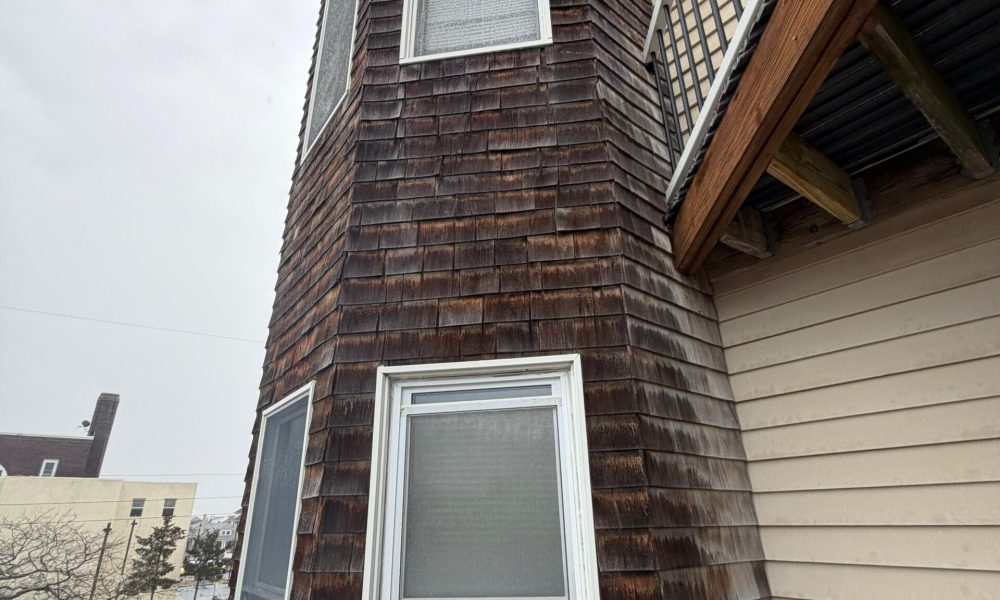
Small siding gaps can seem harmless at first, but they often grow with time, temperature changes, and repeated exposure to wind and rain. Once gaps widen, water can slip behind the siding, leading to staining, warped panels, trim rot, and moisture damage inside the wall system. The best approach is to catch and correct small separations early, while the fix is still simple and localized.
Many gaps start at seams, corners, or around trim where materials move differently. With the right inspection habits and targeted repairs, you can keep those small openings from turning into larger problems.
Here is a practical guide to help you fix small siding gaps before they expand over time.
Common Early Signs Small Siding Gaps Are Worsening
These clues often show up before major moisture damage appears.
- Hairline Openings at Seams or Panel Joints
A thin line between panels may be the first sign of separation, especially after heat cycles. - Gaps Where Siding Meets Trim or J Channel
If the siding edge is pulling away from trim, water can enter during wind driven rain. - New Shadow Lines or Uneven Edges
A shifting panel often creates a visible line or uneven seam that was not there before. - Dirt Trails or Dark Staining Around the Gap
Dirt collects where air and water move through openings, leaving marks that repeat in the same area. - Rattling or Movement During Wind
Panels that move more than usual may be loosening at fasteners or shifting out of alignment. - Caulk That Cracks or Separates Quickly
If caulk fails repeatedly, the gap may be caused by movement, not just aging sealant.
Why Small Siding Gaps Expand Over Time
Understanding the cause helps you choose a repair that lasts.
- Expansion and Contraction From Temperature Changes
Many siding materials move with heat and cold. Without proper spacing, panels can shift and separate. - Fasteners Installed Too Tight or Too Loose
Siding often needs room to “float.” Incorrect fastening can restrict movement or allow panels to slip. - Moisture Swelling Behind the Siding
If water gets behind the siding and cannot dry properly, swelling can push panels outward and create gaps. - Trim and Corner Details Not Sealed Correctly
Corners and transitions are high movement zones. Weak seals in these areas open up faster. - Settling or Minor Structural Movement
Small shifts in framing or attachments can change alignment at seams and corners over time.
Quick Repair Checklist: What to Do First
Use these steps to address small gaps before they become bigger.
- Identify if the gap is at a seam, corner, or around a window or door
The location helps determine whether it is a fastening issue, a flashing issue, or normal movement. - Check for loose or missing fasteners near the affected area
If the panel is not held correctly, it may need refastening rather than sealing. - Inspect nearby trim for softness, staining, or peeling paint
Trim damage is a sign water is already reaching the area behind the siding. - Avoid over caulking areas that should drain or move
Some siding systems need weep paths for drainage. Sealing the wrong spots can trap moisture. - Replace damaged sealant with exterior grade material where appropriate
Use the right sealant for exterior movement, especially around trim transitions. - Monitor after the next rain to confirm the issue is resolved
If staining returns, the problem may be behind the siding and need flashing correction.
Benefits of Fixing Siding Gaps Early
Small fixes can prevent expensive moisture problems and keep your exterior looking sharp.
- Reduces the risk of water intrusion behind the siding
- Helps prevent trim rot and soft wood around corners
- Protects insulation and interior wall materials from moisture
- Stops gaps from widening through seasonal expansion
- Improves curb appeal by keeping lines clean and uniform
- Extends the life of the siding system and exterior finishes
Final Thoughts
Small siding gaps rarely stay small. Heat cycles, wind pressure, and moisture exposure can widen separations and turn a minor exterior detail into a wall system problem. If you notice seams opening, trim gaps forming, or repeated staining around joints, it is best to address it early while repairs are simple.
Need help repairing siding gaps the right way without trapping moisture behind the panels? Contact DGM Construction LLC using the links below.
Trusted Siding Services in Neptune, NJ and Surrounding Areas
We proudly serve residential and commercial properties within 50 miles of Neptune, NJ, delivering reliable craftsmanship and consistent quality.
✔️ 15 years of industry experience
✔️ Residential and commercial siding services
✔️ Professional inspections and recommendations
✔️ Dependable project timelines
✔️ Customer-focused service approach
📍 Address: Neptune, NJ
📞 Phone: (732) 231-5321
Schedule Your Professional Siding Consultation Today
Damaged or outdated siding can quietly compromise your property’s structure and efficiency. Investing in professional siding installation protects your home, improves comfort, and increases long-term value.
👉 Schedule your professional siding inspection
Strong properties aren’t built by accident—they’re built with quality siding installed the right way.