What Homeowners Should Know About Maintaining Vinyl Siding Through the Winter Months in New Jersey
Home / Blog
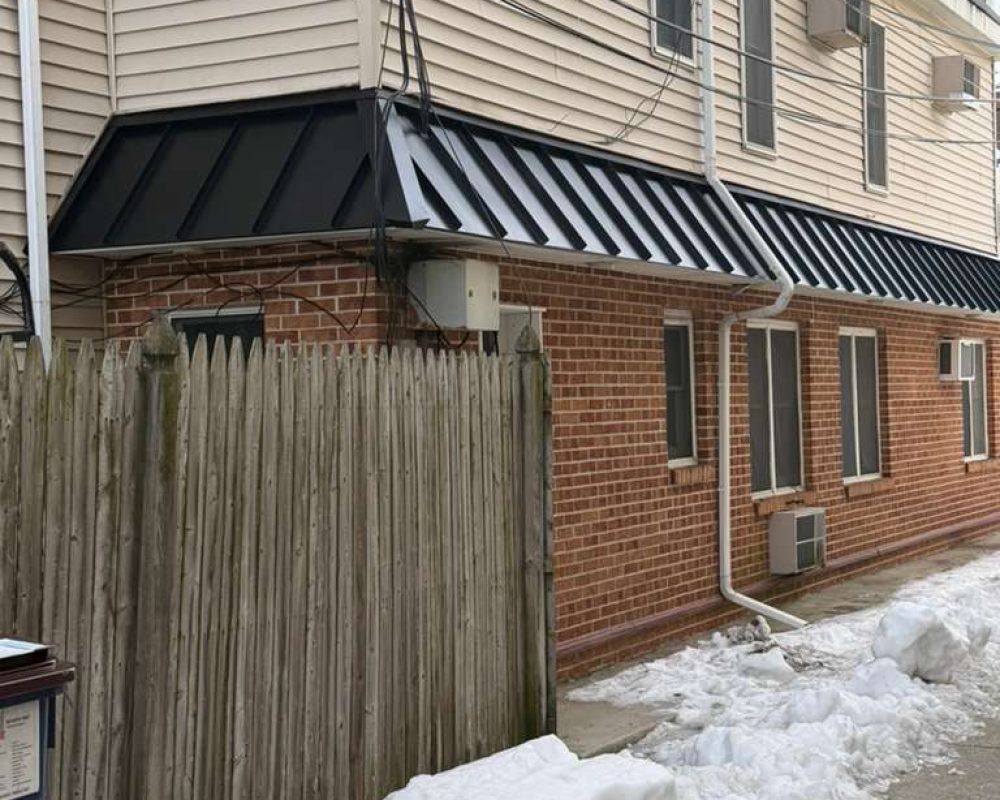
What Homeowners Should Know About Maintaining Vinyl Siding Through the Winter Months in New Jersey
Vinyl siding is one of the most popular exterior cladding choices for homeowners throughout New Jersey, and for good reason. It is durable, low maintenance, and holds up well against a wide range of weather conditions. However, winter in the Garden State brings a unique combination of freezing temperatures, heavy snowfall, ice accumulation, and coastal moisture that can take a toll on even the most resilient siding if proper care is not taken.
At DGM Construction LLC, we help homeowners throughout Neptune, NJ and the surrounding communities protect their exterior investments through every season. Here is what every homeowner with vinyl siding should know about keeping it in top condition through the winter months.
Understanding How Winter Weather Affects Vinyl Siding
Before addressing maintenance, it is important to understand the specific ways that New Jersey’s winter climate interacts with vinyl siding and where vulnerabilities are most likely to develop.
- Brittleness in Freezing Temperatures: Vinyl becomes significantly more brittle when temperatures drop well below freezing. Panels that are struck by ice chunks, falling branches, or storm debris during winter are far more likely to crack or chip than they would be during warmer months, making impact damage a real concern during the coldest parts of the year.
- Moisture Infiltration at Seams and Edges: Freeze-thaw cycles can cause existing gaps or loose seams in vinyl siding to expand and contract repeatedly, gradually widening small openings that allow moisture to work its way behind the panels. Once moisture reaches the wall sheathing beneath, it can lead to mold growth, rot, and insulation damage that becomes expensive to address.
- Ice and Snow Accumulation at the Base: Heavy snow and ice that piles up against the lower sections of siding can hold persistent moisture against the panels and trim for extended periods. This prolonged contact accelerates wear and increases the risk of water infiltration along the foundation line.
Key Winter Maintenance Practices for Vinyl Siding
Staying proactive with a few targeted maintenance habits throughout the winter season helps homeowners avoid the most common cold-weather siding problems before they escalate.
- Clear Snow and Ice Away From the Siding Carefully: When snow accumulates against the base of the siding, remove it gently using a soft brush or broom rather than a metal shovel or sharp tool that could scratch or crack the panels. Keeping the lower sections of the siding clear reduces prolonged moisture exposure and helps prevent freeze-thaw damage at the foundation line.
- Inspect for Cracks and Loose Panels After Storms: Following any significant winter storm, do a visual walkthrough of the home’s exterior to check for cracked, chipped, or loose siding panels. Catching damage early allows for prompt repairs before additional moisture infiltrates and compounds the problem through subsequent freeze-thaw cycles.
- Avoid Using Rock Salt or Ice Melt Near the Siding: Rock salt and chemical ice melt products used on walkways and driveways can splash onto the lower sections of vinyl siding and cause surface discoloration or accelerated deterioration over time. Use sand or other non-corrosive traction products near the home’s exterior wherever possible.
Preparing Vinyl Siding Before Winter Arrives
The best winter maintenance starts before the cold season sets in. A few preparation steps in the fall can significantly reduce the risk of winter damage and make spring inspections much easier.
- Clean the Siding Thoroughly in Late Fall: Removing dirt, salt residue, mold, and grime before winter prevents contaminants from being locked against the surface by ice and snow for months at a time. A gentle rinse with a garden hose and a soft brush is typically sufficient for most vinyl siding surfaces.
- Check and Reseal Gaps Around Windows, Doors, and Trim: Caulk and sealants around windows, doors, and trim pieces should be inspected and refreshed before temperatures drop. Gaps in these areas allow cold air and moisture to enter the wall cavity, reducing energy efficiency and increasing the risk of interior moisture damage throughout the winter.
- Schedule a Professional Inspection to Identify Vulnerabilities: Having a qualified contractor assess your siding before winter allows any loose panels, failing seams, or existing damage to be addressed while conditions are still suitable for exterior repair work. Entering the winter season with siding in solid condition is the most effective way to minimize cold-weather risk.
Final Thoughts
Vinyl siding is a reliable and durable exterior option for New Jersey homeowners, but winter maintenance is essential for keeping it performing at its best through the season. From understanding how freezing temperatures affect the material to staying on top of inspections and pre-season preparation, a proactive approach protects both the siding and the structure behind it.
At DGM Construction LLC, we are proud to serve homeowners throughout Neptune, NJ and the surrounding communities with expert siding services tailored to the demands of the local climate. Contact us today to schedule an inspection and make sure your vinyl siding is ready to handle everything New Jersey’s winter has in store.

Financing is available for all services
Ready to get started? Let’s talk about your roofing, renovation, or construction project today.
Need more Help?
Whether you need a quick roof repair, a full renovation, or emergency construction assistance, our team is ready to help. Contact us today for a free, no-obligation estimate.
From roofing and siding to gutters, we offer licensed, insured, and reliable construction services for residential and commercial properties.