How Poor Roof Ventilation Leads to Premature Shingle Damage in New Jersey Homes
Home / Blog
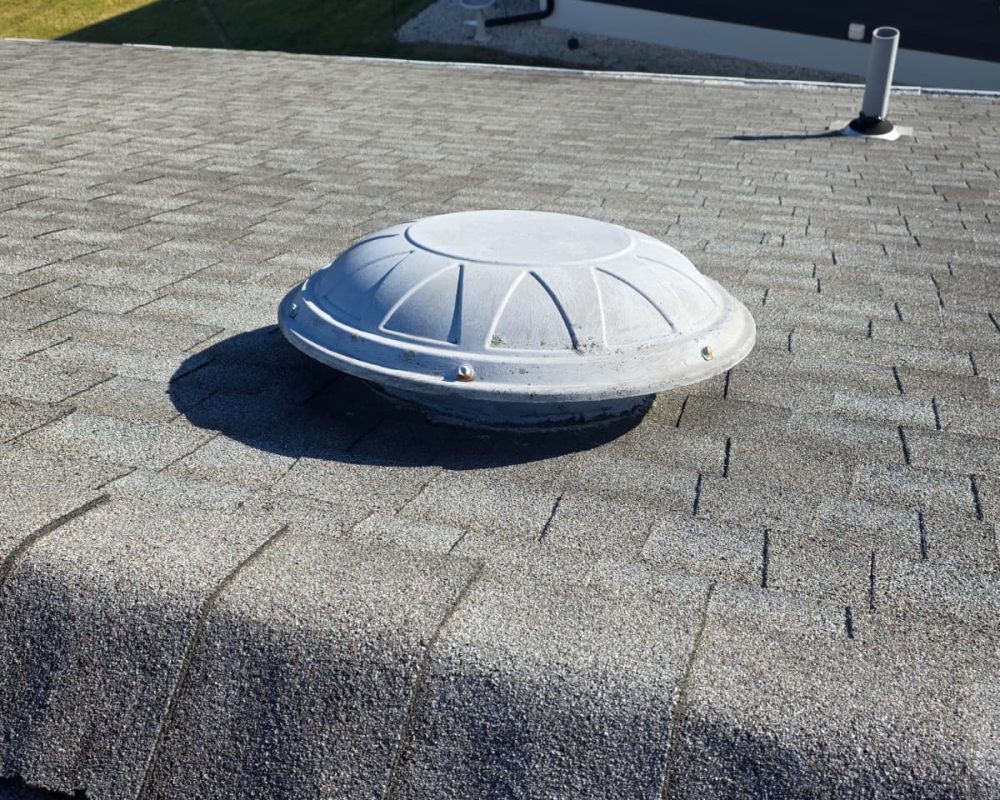
How Poor Roof Ventilation Leads to Premature Shingle Damage in New Jersey Homes
When homeowners think about protecting their roof, they typically focus on the shingles themselves — the material, the brand, the warranty. What many do not realize is that one of the most significant threats to shingle lifespan has nothing to do with the shingles at all. Poor roof ventilation is one of the leading causes of premature roofing system failure in New Jersey homes, and it is a problem that develops silently over time until the damage becomes impossible to ignore.
At DGM Construction LLC, we inspect and service roofs throughout Neptune, NJ and the surrounding communities, and ventilation issues are among the most common underlying problems we encounter. Understanding how poor ventilation affects your shingles helps you take the right steps before a preventable issue turns into a costly replacement.
How Poor Ventilation Damages Shingles From the Inside Out
Most shingle damage caused by ventilation problems originates not from the outside environment but from heat and moisture building up inside the attic space directly beneath the roof deck.
- Excessive Heat Buildup in Summer: During New Jersey’s hot and humid summers, an improperly ventilated attic can reach temperatures well above what the roofing materials above it were designed to tolerate. This intense heat radiates upward through the decking and literally bakes the shingles from below, causing the asphalt to dry out, crack, and lose its protective granules years ahead of schedule.
- Moisture Accumulation in Colder Months: In winter, warm air rising from the living space below enters an unventilated attic and has nowhere to escape. As it contacts the cold roof deck, it condenses into moisture that saturates the decking, weakens the structural integrity of the roof, and creates conditions that accelerate the deterioration of the shingles above.
- Accelerated Granule Loss: Shingle granules protect the asphalt layer beneath them from UV exposure and physical wear. When shingles are subjected to sustained heat stress from below, granule adhesion weakens and granules begin shedding at an accelerated rate, reducing the shingle’s protective capacity and shortening its effective lifespan significantly.
The Compounding Effects of Ventilation Problems Over Time
Poor roof ventilation does not simply damage shingles in isolation. It triggers a chain of compounding problems that affect the entire roofing system and the structure beneath it.
- Warped and Deteriorated Roof Decking: Persistent moisture exposure caused by inadequate ventilation causes the plywood or OSB decking beneath the shingles to swell, warp, and eventually rot. Once the decking is compromised, even new shingles installed on top of it cannot perform as intended, and a full deck replacement becomes necessary before any roofing work can be done properly.
- Ice Dam Formation in Winter: Poor ventilation contributes directly to ice dam formation along the roofline during New Jersey winters. When attic heat is not properly managed, it melts snow near the roof’s peak, and that water refreezes at the colder eave line, creating ice dams that force water beneath shingles and cause significant interior water damage.
- Voided Manufacturer Warranties: Many shingle manufacturers, including GAF, include ventilation requirements as a condition of their warranty coverage. A roof that does not meet these ventilation standards may have its warranty voided entirely, leaving homeowners without recourse when shingles fail ahead of their rated lifespan.
Identifying and Correcting Ventilation Problems in Neptune, NJ Homes
Recognizing the signs of a ventilation problem and addressing it promptly is the most effective way to protect your roofing investment and extend the life of your shingles.
- Common Signs of Poor Ventilation: Unusually high energy bills, excessive attic heat during summer, frost or moisture on attic surfaces in winter, and shingles that are visibly curling, blistering, or losing granules ahead of schedule are all indicators that your roof’s ventilation system may not be functioning properly.
- Professional Ventilation Assessment: A qualified roofing contractor can evaluate your current ventilation setup, calculate whether your attic meets the required intake and exhaust ratios for your home’s size, and identify any blockages or deficiencies that are contributing to the problem.
- Ventilation Solutions Tailored to Your Roof: Depending on the specific deficiencies identified, solutions may include adding ridge vents, installing additional soffit vents to improve intake airflow, upgrading to powered attic ventilators, or repositioning existing vents to create a more balanced airflow pattern throughout the attic space.
Final Thoughts
Poor roof ventilation is a silent problem that quietly accelerates shingle deterioration, compromises roof decking, and drives up energy costs for homeowners throughout New Jersey. Addressing ventilation deficiencies before they cause lasting damage is one of the most cost-effective steps a homeowner can take to protect their roofing investment and extend the life of their shingles.
At DGM Construction LLC, we bring the expertise to identify and correct ventilation problems for homeowners throughout Neptune, NJ and the surrounding communities. Contact us today to schedule a professional roof inspection and make sure your ventilation system is working the way it should.
Financing is available for all services
Ready to get started? Let’s talk about your roofing, renovation, or construction project today.
Need more Help?
Whether you need a quick roof repair, a full renovation, or emergency construction assistance, our team is ready to help. Contact us today for a free, no-obligation estimate.
From roofing and siding to gutters, we offer licensed, insured, and reliable construction services for residential and commercial properties.