Sun Exposure and Siding: How South-Facing Walls Age Differently in New Jersey
Home / Blog
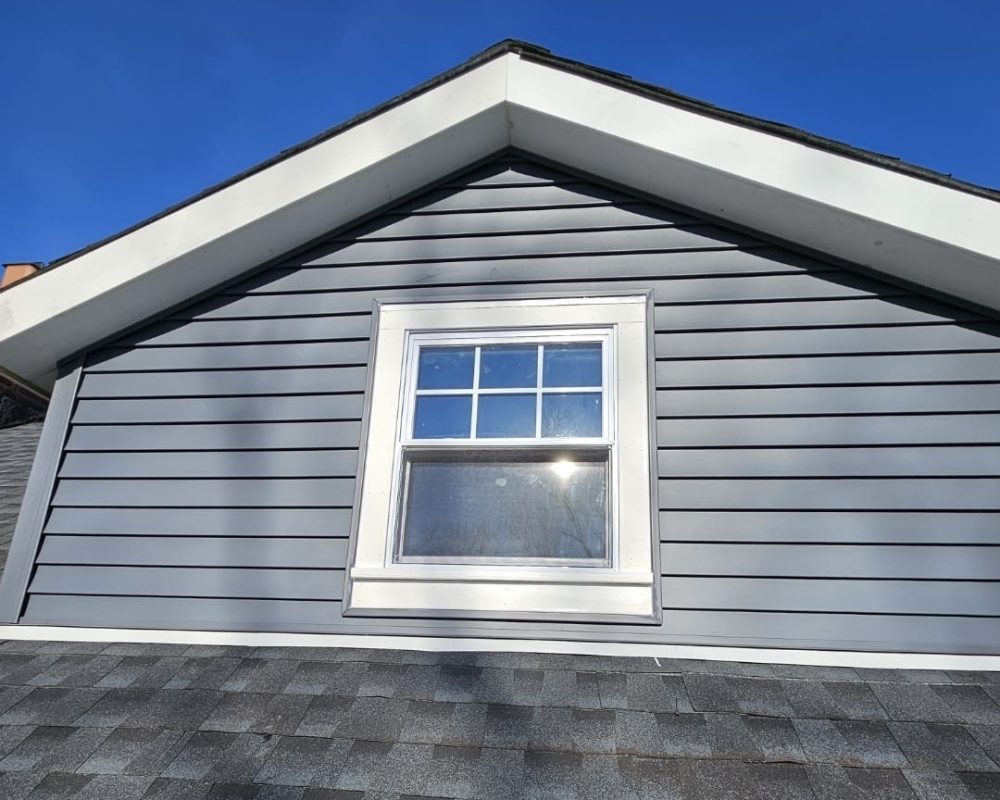
Sun Exposure and Siding: How South-Facing Walls Age Differently in New Jersey
Walk around almost any home in New Jersey and you will notice that its walls do not all age at the same pace. One side may look fresh and uniform while another shows fading, chalking, or subtle warping. The difference usually comes down to sun exposure. South-facing walls receive the most direct sunlight throughout the year, and over time that constant exposure takes a measurable toll on siding materials.
At DGM Construction LLC, we install and repair siding for homeowners throughout Neptune, NJ and the surrounding communities, and uneven wear between sides of a home is something we see often. Here is how sun exposure affects siding, what to watch for on south-facing walls, and how to choose and maintain materials that hold up.
How Sun Exposure Affects Siding Over Time
Sunlight affects siding through both ultraviolet radiation and heat, and south-facing walls receive more of both than any other side of the home.
- UV Fading and Color Loss: Ultraviolet rays break down the pigments in siding finishes, causing colors to fade gradually. Darker shades tend to show this more noticeably, which is why a south wall can look several tones lighter than the north side of the same house.
- Chalking on the Surface: As the outer layer of some siding materials degrades, a fine powdery residue can appear. Running a hand across the siding and finding a chalky film is a common sign of long-term UV exposure.
- Heat Expansion and Contraction: Direct sun heats siding panels well above air temperature. Daily and seasonal expansion and contraction can stress fasteners, loosen seams, and, in materials that are not properly installed, lead to buckling or warping.
- Faster Wear on Caulk and Sealants: Sealants around windows, doors, and trim break down more quickly under strong sun. Cracked or dried caulk on a south wall can allow moisture behind the siding well before other sides of the home show any issue.
Signs Your South-Facing Wall May Be Aging Faster
Comparing the sides of your home is one of the simplest ways to spot sun-related wear early.
- Noticeable Color Difference Between Sides: If the south wall looks faded or washed out compared with the north or east sides, UV exposure is likely the cause.
- Warping, Waviness, or Gapping Between Panels: Panels that no longer lie flat or have visible gaps at seams may be reacting to repeated heat cycles.
- Brittle or Cracking Panels: Aging siding that has been baked by the sun can become less flexible and more prone to cracking from impact or temperature swings.
- Deteriorating Trim and Paint: Painted trim and wood elements on the south side often peel, crack, or blister sooner than those in shadier areas.
Choosing and Maintaining Siding for Sun-Exposed Walls
The right material and a few maintenance habits can significantly slow the aging process on the sunniest sides of your home.
- Select UV-Resistant, Factory-Finished Products: Fiber cement and quality vinyl made with UV-stable pigments hold their color far better than lower-grade options. Factory finishes are designed to resist fading and keep a consistent appearance over many years.
- Consider Lighter or Heat-Reflective Colors: Lighter shades reflect more sunlight and absorb less heat, which can reduce thermal stress on panels. If you prefer a darker color, choose a product specifically engineered for heat resistance.
- Make Sure Installation Allows for Movement: Proper fastening and expansion allowances let panels move naturally as they heat and cool. Overly tight installation is a common cause of buckling on sun-exposed walls.
- Inspect and Refresh Sealants Regularly: Checking caulk around windows, doors, and trim once or twice a year helps catch failures before moisture gets behind the siding.
- Clean Siding Periodically: Gently rinsing the surface removes dirt and salt residue that can hold heat and accelerate wear, keeping the finish looking its best.
Final Thoughts
South-facing walls work the hardest, and it shows over time. Understanding how sun exposure affects siding helps homeowners recognize early warning signs, choose materials suited to their property, and keep sealants and fasteners in good condition. A little attention to the sunniest sides of the home can extend the life and appearance of the entire exterior.
At DGM Construction LLC, we help homeowners throughout Neptune, NJ and the surrounding communities select and install siding built to handle New Jersey’s sun, salt air, and seasonal weather. Contact us today to schedule an inspection and find out how your siding is holding up.
Financing is available for all services
Ready to get started? Let’s talk about your roofing, renovation, or construction project today.
Need more Help?
Whether you need a quick roof repair, a full renovation, or emergency construction assistance, our team is ready to help. Contact us today for a free, no-obligation estimate.
From roofing and siding to gutters, we offer licensed, insured, and reliable construction services for residential and commercial properties.